
Overview
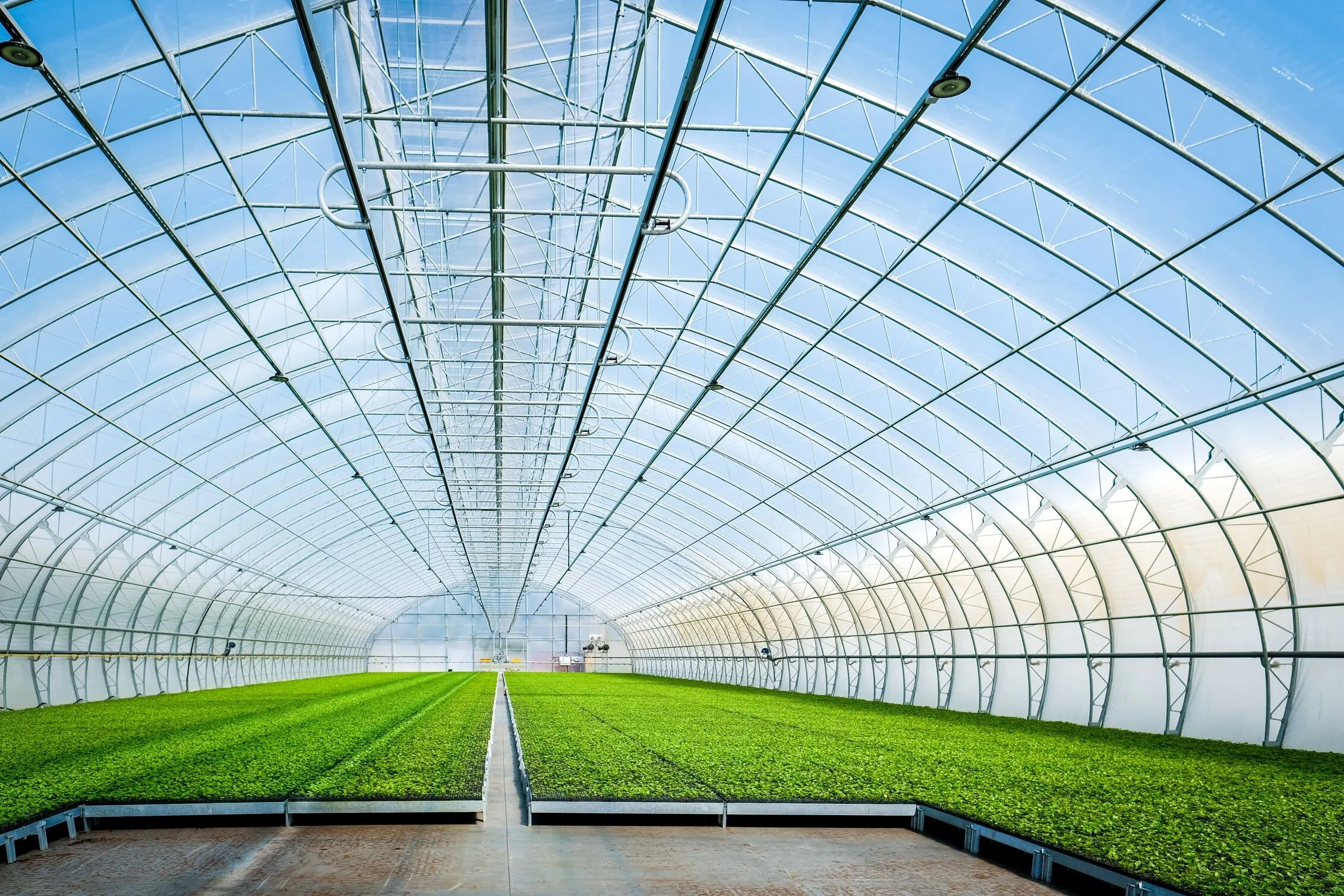
Our pilot and lab scale testbeds provide a controlled environment for customers to execute physical tests of their agricultural technology, machines, or algorithms. These testbeds can be configured to simulate real-world agricultural environments, allowing for precise control and monitoring of variables. This setup enables AI models to be trained and refined using accurate, real-time data. The testbeds incorporate automation to mimic various agricultural tasks, offering a comprehensive platform for testing and optimising AI-driven agricultural solutions. This service bridges the gap between theoretical development and practical application in the agricultural sector.
More about the service
How can the service help you?
This service helps customers test, validate, and improve their AI-driven agricultural technologies before full-scale deployment. By using our testbeds, customers can identify potential issues, optimise performance, and gather valuable data in a controlled environment. This reduces the risks and costs associated with field testing while accelerating the development process. After using our service, customers will have a better understanding of their technology's performance, potential improvements, and readiness for real-world application.
How the service will be delivered
The service is delivered at our facilities in Denmark. The duration of testing can be customised based on customer needs, typically ranging from a few days to several weeks. Customers will need to provide their technology or AI solution for testing. At the end of the testing period, customers will receive a comprehensive report detailing test results, performance metrics, and recommendations for improvement. We can accommodate testing throughout the year, but availability may be limited during peak seasons.
Service customisation
We can customise the testbed environment to simulate specific agricultural conditions relevant to the customer's technology. This may include adjusting soil types, lighting conditions, temperature, and humidity, and introducing specific challenges or obstacles. The scale of testing can also be adjusted from small lab setups to larger pilot-scale environments. Limitations may apply to the size of equipment that can be tested and the complexity of simulations that can be created.
Sector
Arable farming
Greenhouse
Horticulture
Livestock farming
Test type
Data
Design / Documentation
Physical system
Type of service
Collection of test data
Data analysis
Performance evaluation
Test design
Test execution
Test setup
Country of delivery
Country of delivery:

Service provider(s):
-
Danish Technological Institute (DTI)
| Website