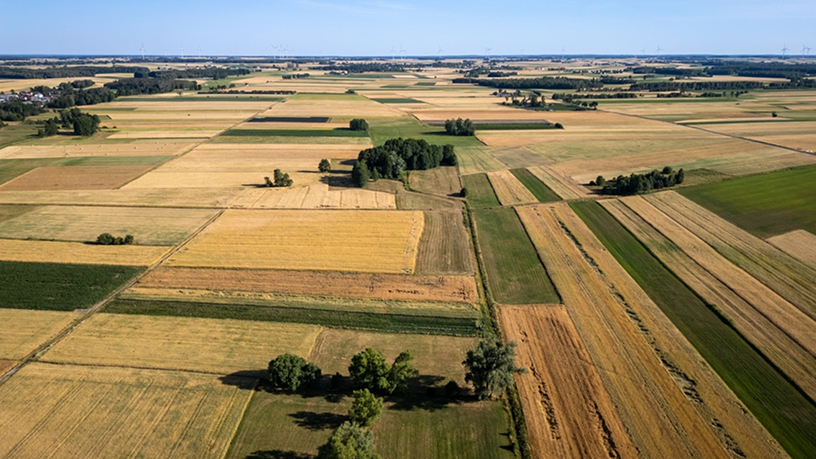
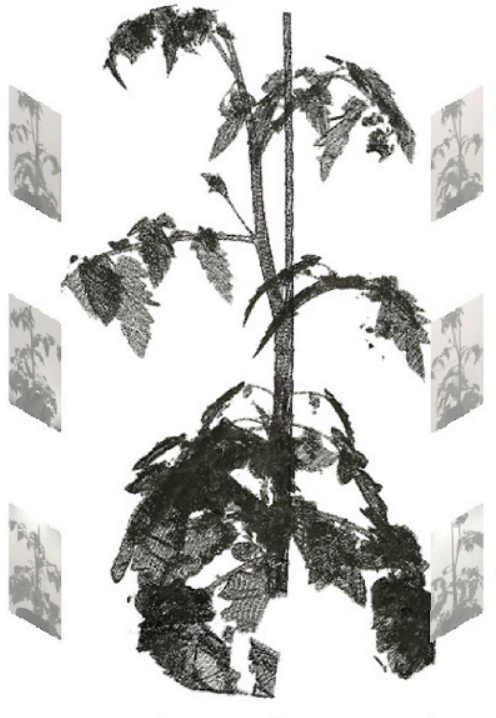
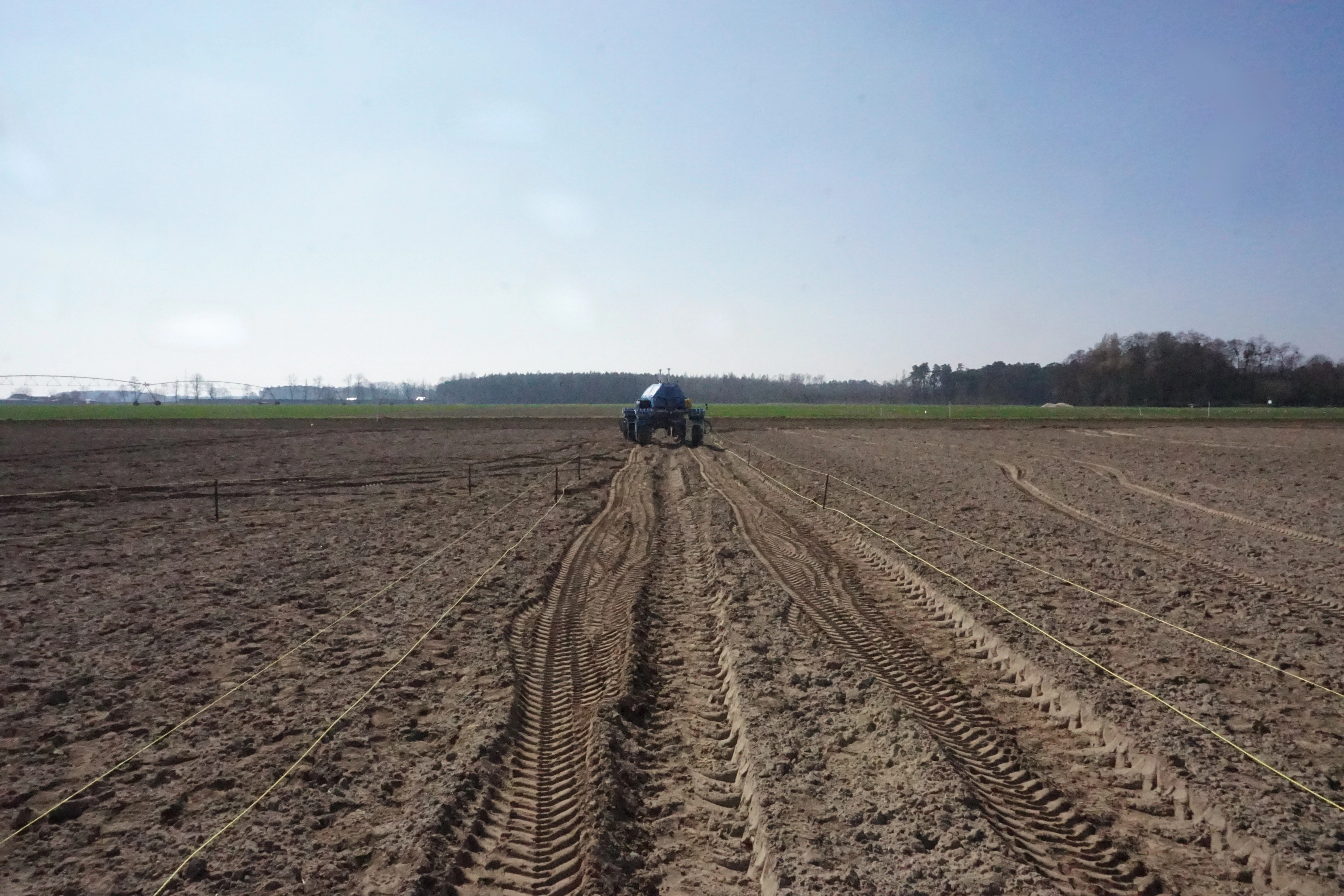
It excels in soil and crop characterisation through advanced 3D mapping and field scanning techniques. The lab employs a variety of sensors and imaging tools to assess vegetation health and soil conditions, enabling precise measurements of geometric and structural parameters. Key features include remote sensing drones for aerial imaging, precision phytosanitary applicators, and variable-rate sprayers designed to optimise fertiliser and pesticide application.
The lab offers a wide range of analytical services, including tests for soil pH, organic matter, nutrient content (nitrogen, phosphorus, potassium), and water retention capacity. It also provides water analysis for pH, electrical conductivity, nutrients, and chemical oxygen demand (COD). Additionally, the lab performs plant material analysis, such as total nitrogen and dry matter, and organic waste analysis for pH, organic matter, and ammonium content.
Specialised in advanced molecular techniques for plant DNA and protein analysis. The lab provides services such as genomic DNA extraction, PCR-based genotyping, and electrophoresis for DNA and protein separation. It also offers DNA fragment analysis and varietal purity testing, with a focus on cereal crops. The lab is actively involved in biodiversity studies, molecular marker applications, and quality control assessments of seeds and plants, contributing to advancements in plant genomics research and crop improvement.
INRIA has access to a 100 m x 100 m reconfigurable outdoor facility located at AzurArena in Antibes, ideal for conducting experiments involving Autonomous Vehicles (AVs), Autonomous Ground Robots (AGRs), and Unmanned Aerial Vehicles (UAVs). The site can be equipped with a 4G/5G communication network, enabling real-time connectivity and coordination across multiple robotic platforms. Its open and adaptable layout makes it suitable for both individual and collaborative autonomous system testing.
NEF is a multidomain scientific experimentation platform at INRIA, designed to support high-performance computation, storage, and visualisation for advanced research applications. It is built on a heterogeneous parallel computing architecture, combining multiple generations of high-performance servers into a cluster-based system. The platform features high-speed network interconnects and large-capacity storage and is directly connected to the Inria Sophia interactive visualisation platform, enabling seamless data processing and graphical analysis.
At INRIA, the private parking facility spans an area of 85 meters by 13 meters and is naturally enclosed by plants and trees, creating a semi-structured, forest-like environment. This makes it an ideal outdoor space for conducting development, testing, and validation experiments with Autonomous Ground Robots (AGRs) and Unmanned Aerial Vehicles (UAVs). Its dynamic setting bridges the gap between controlled indoor testing and fully unstructured field environments, allowing for safe and effective experimentation under realistic outdoor conditions.
At ACENTAURI, we host a dedicated indoor UAV Arena measuring 5 meters x 6 meters x 7 meters, specifically designed for the development, testing, and demonstration of mobility algorithms for both Unmanned Aerial Vehicles (UAVs) and Autonomous Ground Robots (AGRs). This facility offers a controlled and customisable indoor environment, making it ideal for preliminary experimentation and fine-tuning of robotics systems before deployment in real-world conditions.
This facility is a movable laboratory specifically designed to meet the requirements for providing Agrifood-TEF services. The Mobile Living Laboratory (MLL) is equipped with essential infrastructure such as power generators, ground (AGR) and aerial (UAV) robots, computing units, and a robust communication system supporting LAN, WiFi, and 4G/5G connectivity. It is tailored for testing, monitoring, and experimental activities and also includes basic living and working amenities to support up to three engineers during field operations.