As part of PHÉNOME, the French plant phenotyping network, PhénoField® integrates expertise across agronomy, plant physiology, robotics, and bioinformatics. With over 350 plant varieties studied annually, the platform can simulate 17 distinct climates and is equipped with cutting-edge technology: 2 lidars for 3D laser analysis, 6 continuous cameras, 4 spectroradiometers for leaf light reflection measurements, and 36 soil moisture probes across 100 data points.
The laboratory specialises in multi-species analysis, including soft wheat, durum wheat, barley, corn, forage, triticale, sorghum, and feed ingredients like rapeseed and soy. With approximately 45 analysis methods, the lab handles 10,000 samples per year and performs 65,000 analyses across 1,000 m² of facilities, including 150 m² of cold storage. For over 10 years, it has maintained a comprehensive database of reference samples. Key areas of expertise include moisture, protein, starch, fat content, hardness, and soil composition.
The facility is designed for efficient and controlled grain storage and processing. It features 350 tonnes of storage capacity with ventilated bins and a silo thermometry system to ensure optimal temperature monitoring. The Sec-LIS® system controls 8 fans automatically to maintain ideal storage conditions, while 4 automatic samplers facilitate continuous quality checks. Two independent circuits with adjustable flow rates (up to 50 t/h) handle grain transport, and a dust extraction system reduces emissions.
The experimental farm spans 145 hectares, featuring a variety of soil types ranging from 30 to 90 cm in depth, including moderately deep clay loam and shallow clay-limestone soils. With certifications in Organic Agriculture and High Environmental Value (HVE), the farm dedicates areas to various types of trials: 2 ha for environmental testing, 4.75 ha for organic fields, 5.32 ha for autonomous organic trials, and 7.08 ha for innovative organic trials.
What could be offered through this facility?
10 July 2025 10:00–11:30
Webinars
Unlocking Data to have an Impact: Value & Vision in European Data Spaces
This webinar explores how data spaces are being used in the agri-food sector to enable secure, efficient, and cross-border data sharing.
13 June 2025 10:00–11:00
Webinars
Bridging Adoption Gaps: Assessing Mobile Robots as Autonomous Machines for Agriculture in France
This session is the first in the “Bridging the Gap in Technology Adoption in Agriculture” webinar series.
14 March 2025 11:00–12:00
Webinars
Empowering EDIHs: Exploring agrifoodTEF Services, Infrastructure & Collaboration in France, Poland and the Netherlands
This event represents a follow-up webinar of the one held on 7 February 2025 and 28 February 2025.
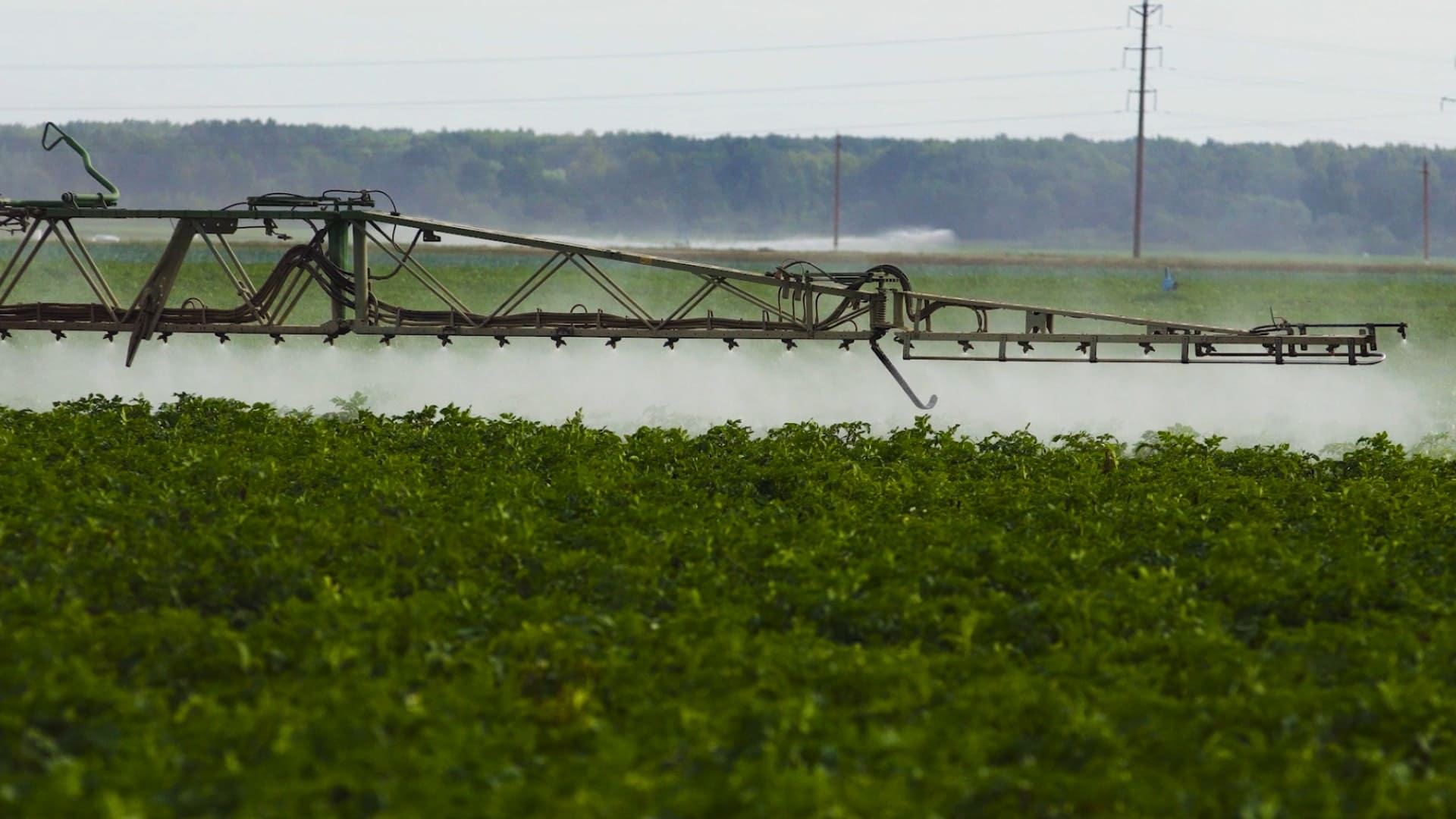
Bridge sprinkler with a working width of 250 m equipped with a VRI system, e.g., a system of variable irrigation doses. Independent control of each of the 63 sprinklers. The sprinkler can irrigate an area of up to 20 hectares at once. The water dose is controlled manually, but it is possible to retrofit it with an automatic system based on, e.g., satellite data or a weather station system.
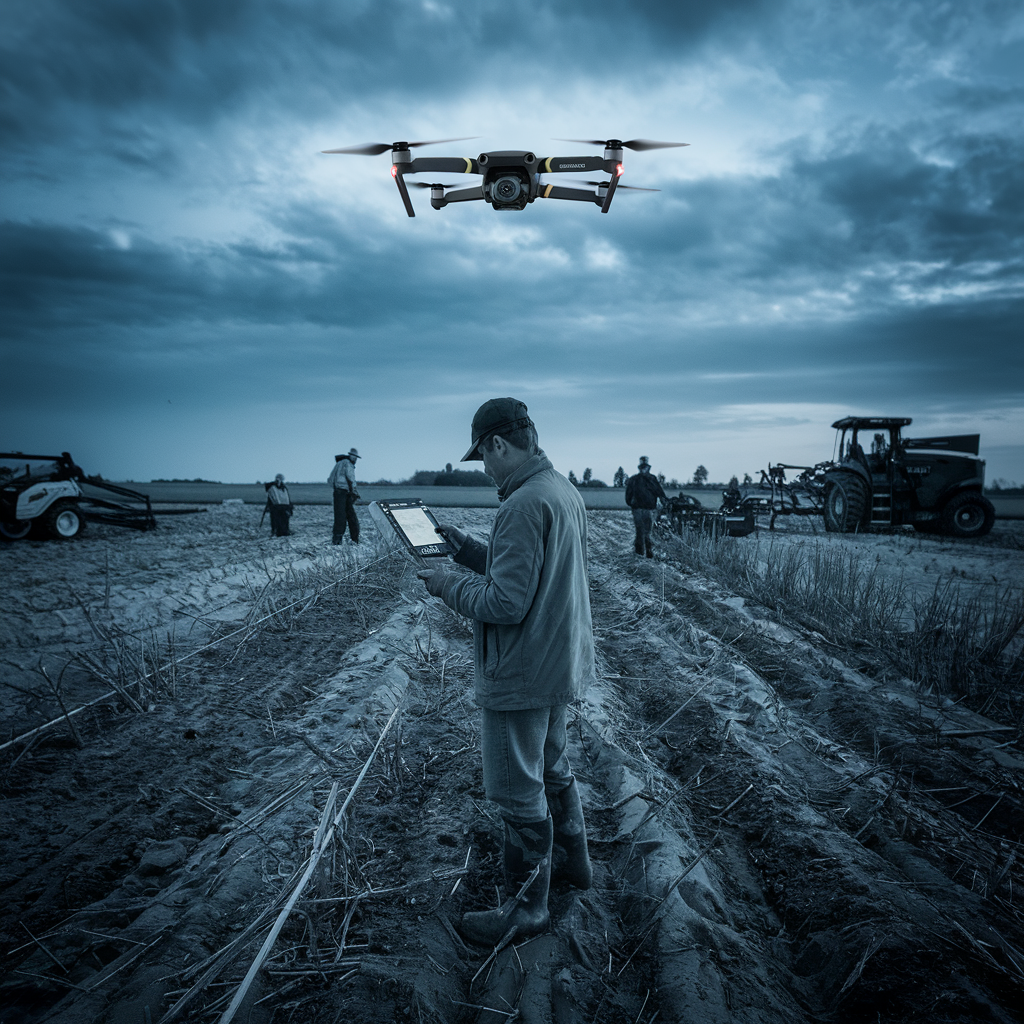
72 ha of fields with various soil grades: III (25 ha), IV (37 ha), V (8 ha), and VI (2 ha). The fields can be used as a place for preparation for the test environment and in case of execution of physical testing, including establishing a particular plantation; tests on permanent green areas/ground paved with paving stones/sloped area/flat area; sowing with GPS; and collection of additional data from the drone—RGB, NDVI, thermo, crop photos, weather, etc.