
AI Testing for agrifood SMEs: why testing is essential before deployment
23 June 2026
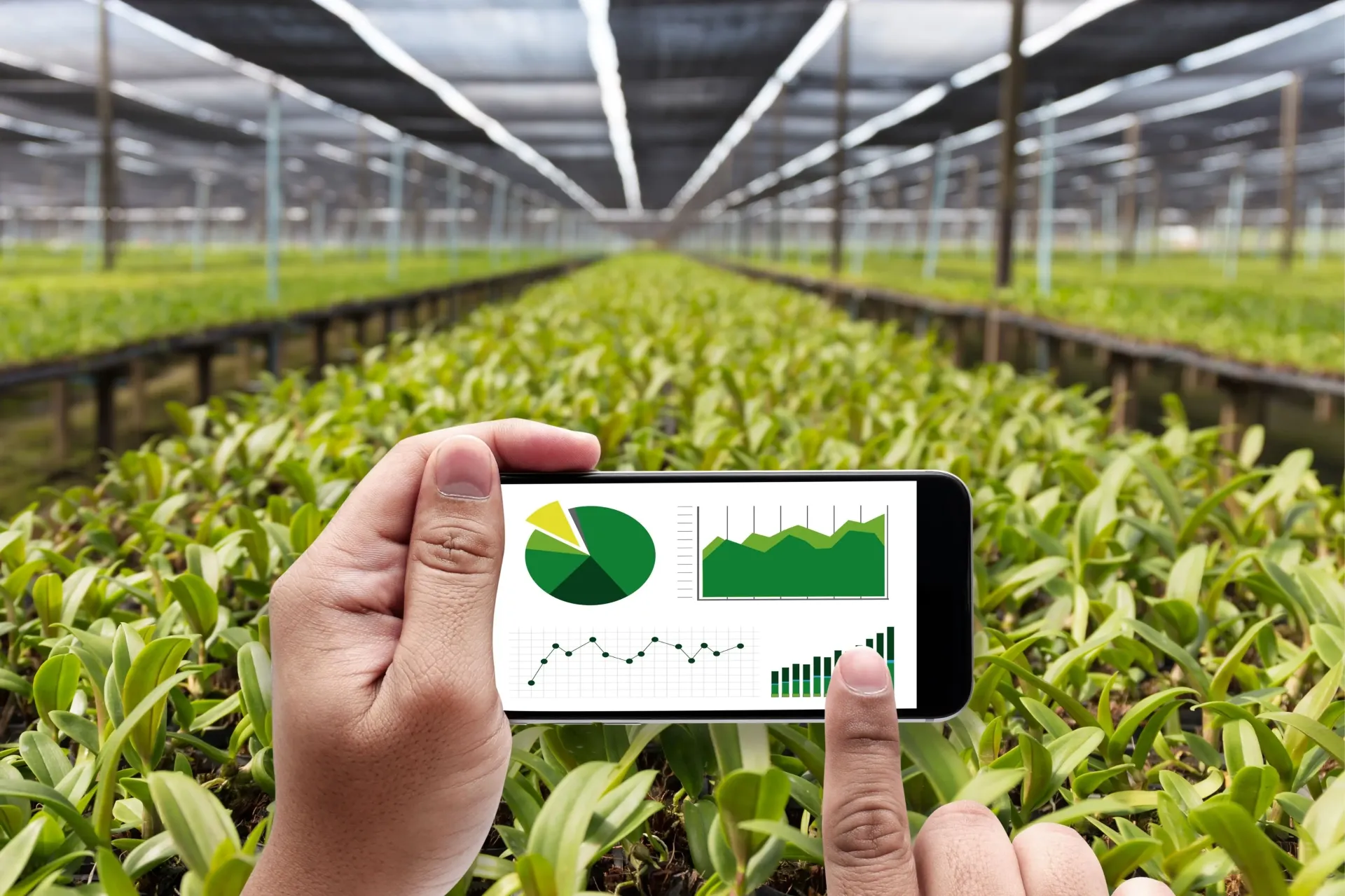
Artificial intelligence is increasingly being adopted across agriculture, food production and agrifood supply chains. From crop monitoring and predictive analytics to quality control and logistics optimisation, AI systems are helping agrifood businesses improve efficiency and decision-making.
However, developing an AI solution is only part of the process. Before deployment, companies need to understand how these systems perform under real operating conditions. This is where AI Testing for agrifood SMEs becomes essential.
What is AI Testing for agrifood SMEs?
AI Testing for agrifood SMEs is the process of evaluating artificial intelligence systems in conditions that reflect real agricultural and food production environments.
Unlike traditional software, AI systems depend heavily on data and can behave differently when exposed to new situations. Weather variability, biological processes, seasonal changes, production conditions and supply chain disruptions can all affect system performance.
The objective of AI Testing for agrifood SMEs is to assess whether an AI solution remains reliable, accurate and useful when operating in real-world agrifood contexts.
Why AI Testing for agrifood SMEs matters
Agrifood environments are among the most complex settings in which AI systems operate. Conditions can change rapidly and datasets are often heterogeneous, incomplete or influenced by external factors.
Without proper testing, an AI model that performs well during development may deliver inconsistent results once deployed. AI Testing for agrifood SMEs helps organisations evaluate system performance under realistic conditions, identify limitations before market deployment, assess robustness against environmental variability and verify data quality and data relevance.
As a result, by reducing uncertainty, testing helps companies deploy AI solutions with greater confidence.
The main challenges of AI Testing for agrifood SMEs
Testing AI systems in agriculture and food production is not always straightforward.
One challenge is access to representative testing environments. Laboratory conditions often fail to capture the complexity of real farms, food processing facilities or supply chains.
Another challenge is data variability. Agricultural data may differ significantly across regions, seasons, crops, production methods and environmental conditions. As a result, AI systems must be evaluated against a wide range of scenarios.
For many SMEs, limited resources and access to specialised infrastructure can also make testing difficult.
These challenges highlight the need for dedicated testing and experimentation facilities that allow companies to evaluate AI solutions in realistic operational settings.
How agrifoodTEF supports AI Testing for agrifood SMEs
For many agrifood SMEs, one of the biggest barriers to AI adoption is not developing an algorithm but understanding whether it will actually work in real operational conditions. Testing artificial intelligence in agriculture and food production requires access to realistic environments, specialised expertise and infrastructure that are often difficult for individual companies to obtain on their own.
This is where agrifoodTEF plays a key role: agrifoodTEF provides a European network of testing and experimentation facilities specifically designed to support AI and robotics solutions for the agrifood sector. By giving companies access to advanced infrastructure, technical support and real-world testing environments, agrifoodTEF enables SMEs to move beyond laboratory validation and assess how their solutions perform in practical agricultural and food production scenarios.
Through AI Testing for agrifood SMEs, companies can evaluate system robustness under variable conditions, validate performance using representative datasets, identify potential weaknesses before market deployment and gain valuable insights for further development. This helps reduce technical risks while increasing confidence in the reliability and usability of AI solutions.
Beyond testing itself, agrifoodTEF helps bridge the gap between innovation and market adoption. By making high-quality testing and experimentation services more accessible, the initiative supports SMEs in accelerating development cycles, improving technology readiness and preparing AI solutions for successful deployment across the agrifood value chain.
As artificial intelligence continues to transform agriculture and food systems, access to trustworthy testing environments will become increasingly important.
agrifoodTEF provides the conditions needed to ensure that AI solutions are not only innovative, but also reliable, scalable and ready to deliver value in real-world agrifood operations.
Interested in getting support from agrifoodTEF?