In the mechanisation and automation workshop of the living lab Agrifood Technology of ILVO, technological prototypes for the agrifood sector are ideated, designed, developed, and tested in controlled conditions. An iterative development process is used; this is an agile approach with subsequent multiple cycles of (re)design and testing. Machines are designed in CAD software (Solidworks). For reverse engineering, a 3D scanner and post-processing software are used. For metalworking, lathes, milling machines, bending machines, and welding machines are available.
ILVO's TEF Mobile Containers are fully operational, secure, and moveable charging hubs for agricultural robots. These containers, which are standard 20 ft sea containers, facilitate easy transportation of robots. The TEF Containers provide a flexible and convenient solution for charging and storing agricultural robots near fields or other off-site locations. Energy is supplied off-grid through 6 Denim Solar Panels, but the DC-coupled inverter charger also allows for connection to the grid or a generator.
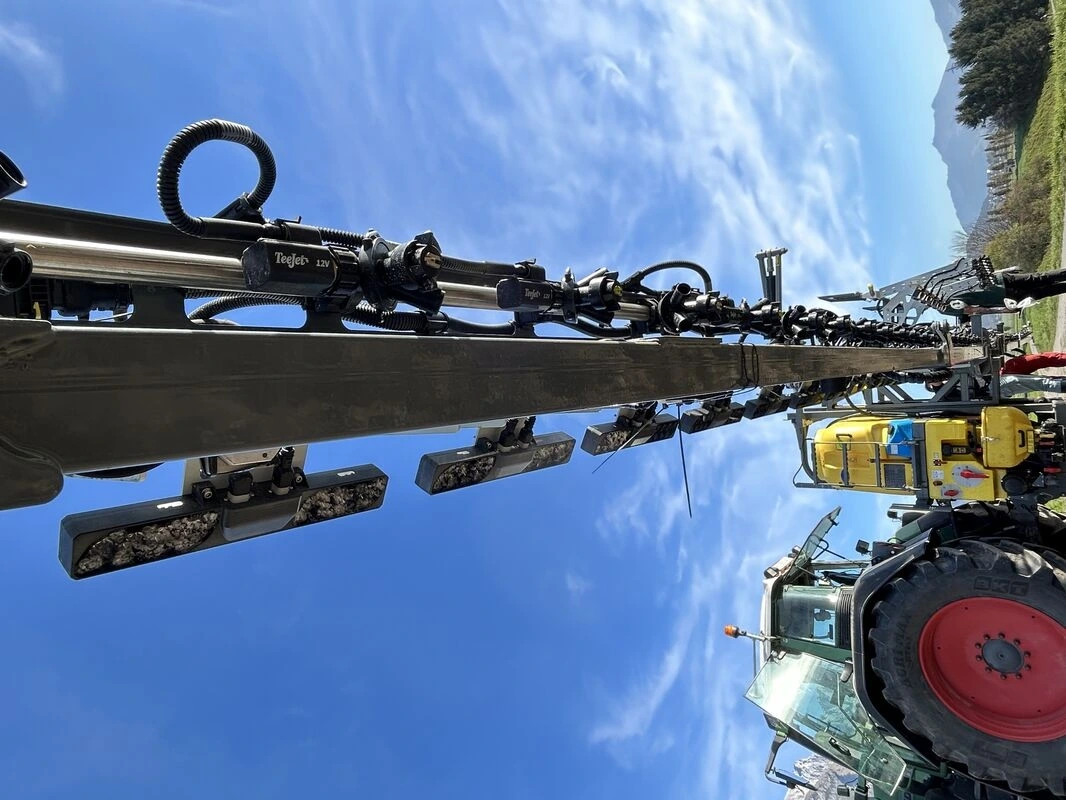
ILVO's Spray Tech Lab is one of the few accredited spray technology laboratories in the world specialising in the characterisation of sprayers and nozzles. In addition to accredited testing, the laboratory has the experimental facilities to develop spray application systems and evaluate them under field or laboratory conditions. Current research priorities include greenhouse and open field spray applications, spray drift, nozzle characterisation, orchard spray applications, and biological crop protection applications.
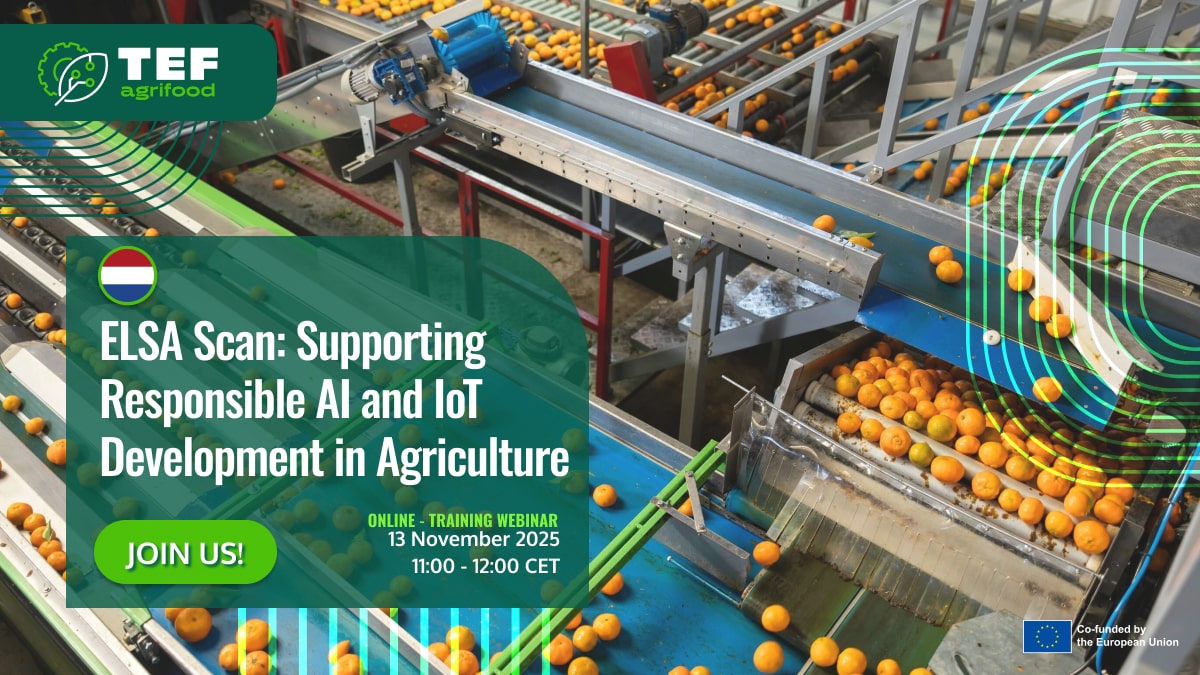
The ILVO Hyperspectral Technology Facility enables advanced applications in agri-food processing, such as quality control, defect detection, grading, and sorting of (raw) products. By comparing spectral and spatial data to reference measurements, we build chemometric models capable of estimating product parameters in real time. The facility hosts a range of hyperspectral and multispectral devices, including spectrometers with customisable probes, hyperspectral cameras, and FTNIRS systems suited for both solid and liquid samples.
ILVO’s fertiliser spreader calibration lab offers services to farmers, fertiliser spreader manufacturers, and fertiliser-producing companies. Two different approaches are used for assessing the performance of centrifugal and pendulum fertiliser spreaders for specific types of fertilisers: collection trays equipped with anti-reflection grids are used for determining spread patterns in field conditions.
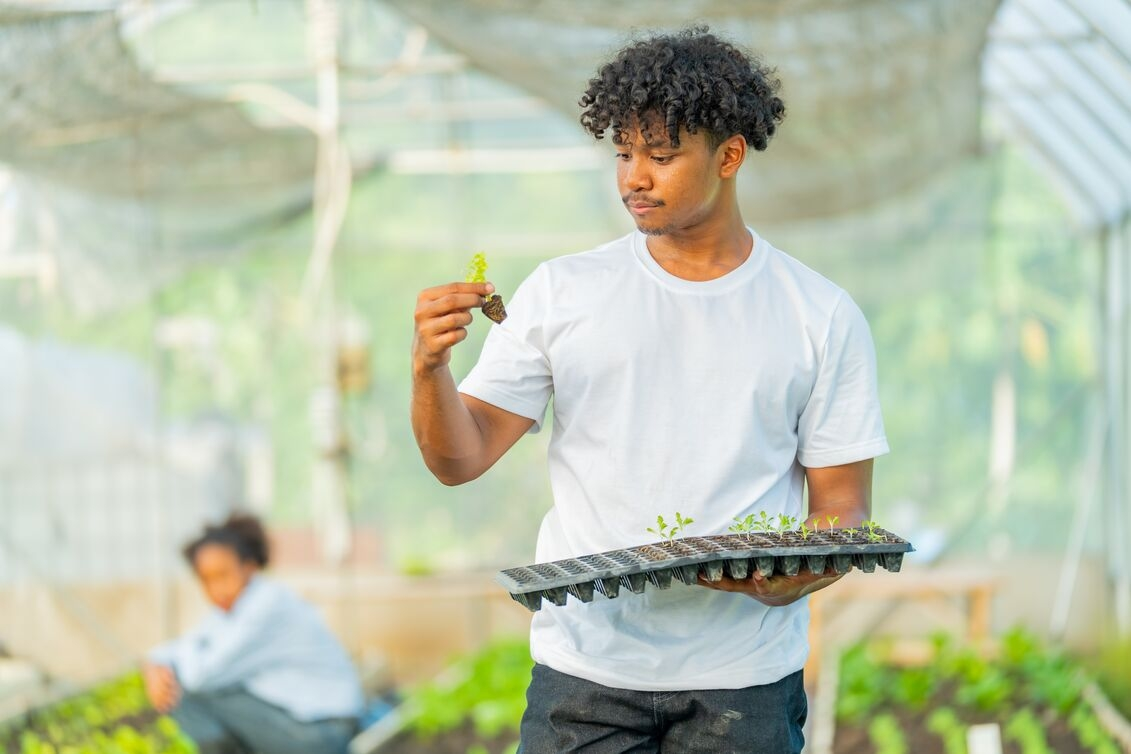
The ILVO testing field is a small field with dry sandy loam soil. The testing field is conveniently located next to our workshop facility, allowing us to test and adapt a prototype in quick succession in a real-world setting. Depending on the intended tests, different crops are installed each growing season.